
The Future is Secure: Why Clinics in Beirut and Detroit Are Embracing HIPAA-Compliant EMR Systems by 2026
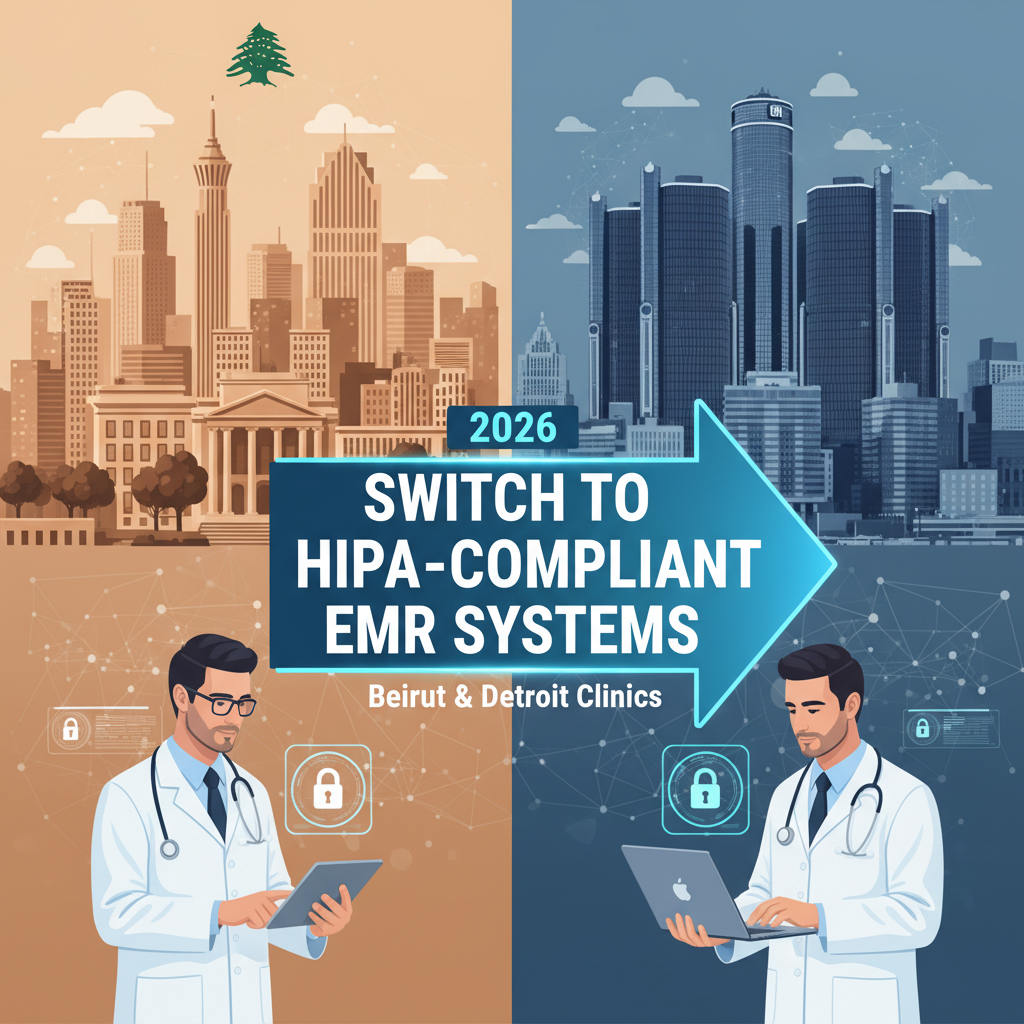
The healthcare landscape is undergoing a rapid digital transformation, driven by the imperative for enhanced patient care, operational efficiency, and, crucially, robust data security. By 2026, clinics in diverse urban centers like Beirut and Detroit are proactively making a pivotal switch to HIPAA-compliant Electronic Medical Records (EMR) systems. This strategic move isn’t just about adopting new technology; it’s about safeguarding patient trust and future-proofing medical practices in an increasingly interconnected world.
Understanding HIPAA and the Power of EMR
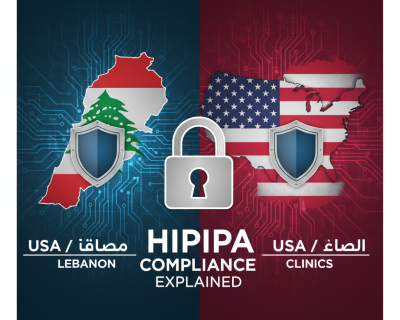
At its core, the Health Insurance Portability and Accountability Act (HIPAA) sets the standard for protecting sensitive patient health information in the United States. While directly applicable to U.S. entities, its principles of data privacy, security, and integrity have become a global benchmark for responsible healthcare data management.
Electronic Medical Records (EMR) systems digitize patient charts, appointment scheduling, billing, and clinical notes. When combined with HIPAA compliance, EMRs offer a powerful solution to managing vast amounts of sensitive patient data securely, efficiently, and ethically.
Global Mandate: Patient Data Security and Trust
In an era of rising cyber threats and increasing digital footprints, the security of patient data is paramount. Healthcare institutions worldwide recognize that a single data breach can lead to severe financial penalties, irreparable reputational damage, and a profound loss of patient trust. Adopting HIPAA-compliant EMR systems demonstrates a commitment to the highest standards of data protection, reassuring patients that their personal health information is in safe hands.
Why Beirut Clinics are Prioritizing HIPAA-Compliant EMR by 2026
Beirut, a bustling hub with a sophisticated medical sector, is witnessing a significant push towards modernization. Clinics in the Lebanese capital are choosing HIPAA-compliant EMR systems for several compelling reasons:
- Meeting International Standards: As Beirut positions itself as a regional medical tourism destination, aligning with global best practices like HIPAA compliance enhances its appeal and credibility on the international stage.
- Enhanced Data Protection: Protecting patient data is crucial for maintaining trust within the local community and attracting patients seeking top-tier, secure healthcare services.
- Operational Efficiency: Streamlining administrative tasks, improving appointment scheduling, and facilitating quick access to patient histories allow clinics to operate more efficiently, dedicating more time to patient care.
- Future-Proofing: Investing in robust, compliant systems now prepares clinics for evolving data protection regulations and technological advancements.
Detroit’s Leap Towards Secure Healthcare with EMR in 2026
In Detroit, clinics are driven by both regulatory necessity and a strong desire to optimize patient care and operational effectiveness. The city’s healthcare providers are making the switch to HIPAA-compliant EMR systems for reasons including:
- Strict Regulatory Compliance: As entities operating within the U.S. healthcare system, Detroit clinics are legally bound by HIPAA regulations. Adopting compliant EMRs ensures they avoid hefty fines and legal repercussions associated with data breaches or non-compliance.
- Improved Interoperability: Secure EMR systems facilitate seamless and safe sharing of patient data between different healthcare providers, improving coordinated care and patient outcomes, especially important in a large metropolitan area.
- Competitive Advantage: In a competitive healthcare market, clinics that demonstrate a clear commitment to patient data security and cutting-edge technology gain a significant edge.
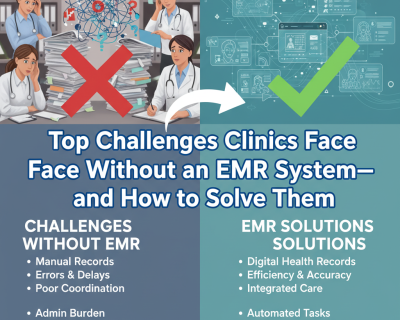
- Reducing Administrative Burden: Digital records reduce paper waste, minimize manual errors, and free up staff to focus on more critical tasks, thereby enhancing the overall patient experience.
Common Advantages of the 2026 Shift
For clinics in both Beirut and Detroit, the move to HIPAA-compliant EMR systems by 2026 offers universal benefits:
- Enhanced Patient Data Security & Privacy: The primary benefit, ensuring sensitive health information is protected against unauthorized access.
- Improved Operational Efficiency: Streamlined workflows, reduced paperwork, and quicker access to patient information.
- Better Clinical Decision-Making: Comprehensive, up-to-date patient records empower clinicians with better insights for diagnosis and treatment.
- Reduced Medical Errors: Digital systems can flag potential drug interactions or allergies, significantly reducing preventable errors.
- Seamless Data Sharing: Secure systems allow for appropriate, consented sharing of information between providers, enhancing coordinated care.
- Cost Savings in the Long Run: While initial investment is required, reduced administrative costs, fewer errors, and improved billing processes lead to long-term savings.
- Future-Proofing Healthcare Practices: Staying ahead of technological curves and regulatory changes ensures longevity and adaptability.
The Urgency of 2026
The year 2026 isn’t just an arbitrary date; it signifies a proactive commitment to digital transformation and patient security. Migrating to a new EMR system is a significant undertaking that requires careful planning, staff training, and rigorous implementation. By setting this timeline, clinics in Beirut and Detroit are ensuring a smooth transition, allowing ample time to integrate these systems effectively and maximize their benefits.
Conclusion
The shift to HIPAA-compliant EMR systems by 2026 is more than a technological upgrade for clinics in Beirut and Detroit. It represents a profound commitment to patient privacy, operational excellence, and the future of healthcare. By embracing these secure digital platforms, these clinics are not only meeting global standards but are also building stronger, more trustworthy relationships with their patients, paving the way for a more secure and efficient healthcare future.