
“`html
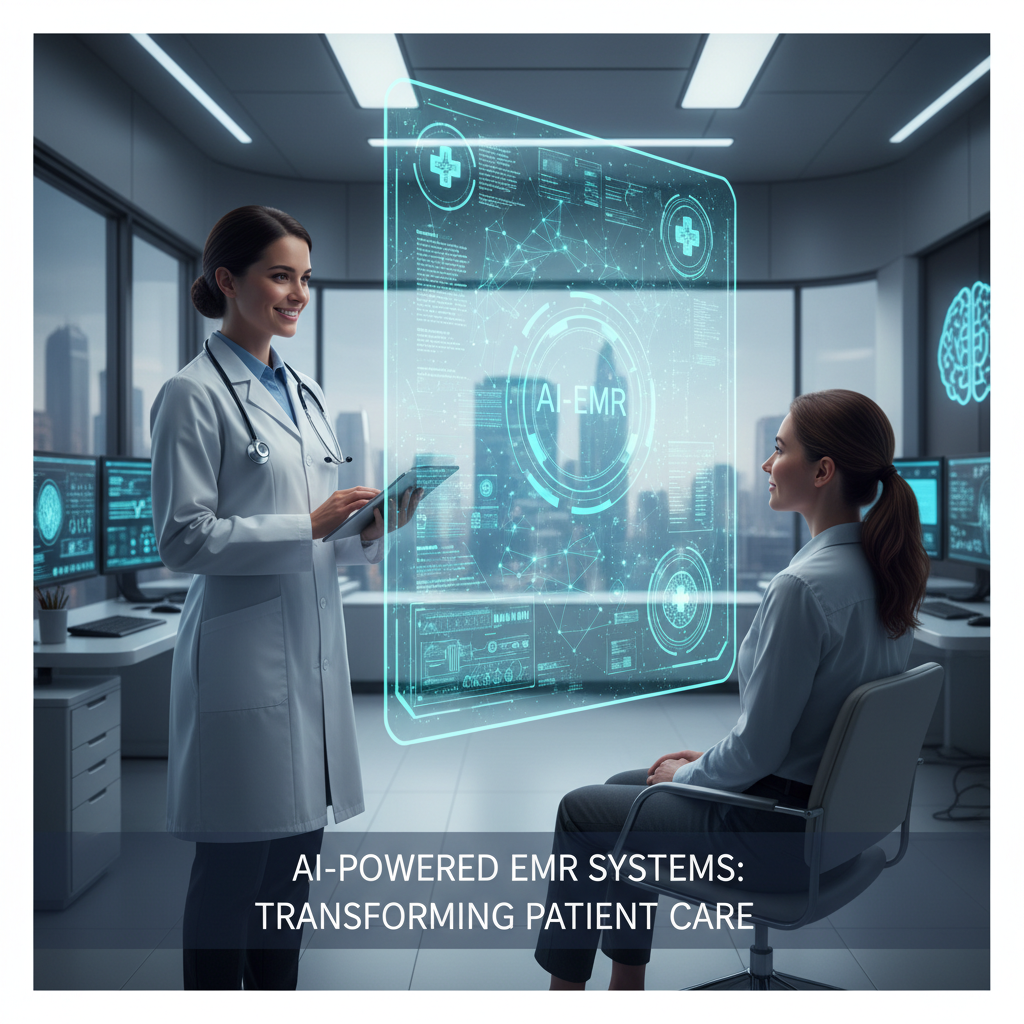
The healthcare landscape is constantly evolving, driven by advancements that promise to enhance efficiency and elevate patient care. Among the most revolutionary innovations transforming clinics today are AI-powered Electronic Medical Record (EMR) systems. No longer just digital filing cabinets, these intelligent platforms are reshaping how healthcare professionals interact with data, make decisions, and deliver personalized treatment.
What Are AI-Powered EMR Systems?
Traditional EMRs digitized patient records, streamlining administrative tasks. AI-powered EMRs take this a significant step further. By integrating artificial intelligence, machine learning (ML), and natural language processing (NLP), these systems can analyze vast amounts of data, learn from patterns, and provide actionable insights. This means they don’t just store information; they actively help interpret it, predict outcomes, and support decision-making at every stage of patient care.
How AI-Powered EMRs Are Transforming Patient Care in Clinics
1. Enhanced Accuracy and Efficiency
AI algorithms can quickly process and cross-reference patient data, including medical history, lab results, and genomic information, with far greater accuracy than manual review. This reduces human error in data entry and analysis, ensuring that doctors have the most precise information available. Automation of routine tasks like scheduling, prescription refills, and pre-authorization also frees up clinic staff, allowing them to focus more on patient interaction.
2. Superior Clinical Decision Support
One of the most profound impacts of AI in EMRs is their ability to offer advanced clinical decision support. These systems can:
- Identify Potential Diagnoses: By comparing symptoms and test results with millions of similar cases, AI can suggest possible diagnoses, even for rare conditions.
- Flag Drug Interactions & Allergies: Real-time alerts warn clinicians about potential adverse drug interactions or allergic reactions, significantly improving patient safety.
- Recommend Treatment Protocols: Based on evidence-based guidelines and a patient’s unique profile, AI can suggest optimal treatment plans.
3. Personalized Patient Care
AI enables a level of personalization previously unimaginable. By analyzing individual patient data—including lifestyle, genetics, and socio-economic factors—AI-powered EMRs can help clinicians develop highly customized care plans. This leads to more effective treatments and better patient outcomes, moving healthcare closer to true personalized medicine.
4. Proactive Health Management and Predictive Analytics
AI doesn’t just react; it anticipates. These intelligent EMR systems can analyze trends and risk factors to identify patients at high risk for developing chronic diseases, hospital readmissions, or other adverse health events. Clinics can then implement proactive interventions, engaging with patients before problems escalate, leading to improved long-term health and reduced healthcare costs.
5. Streamlined Administrative Workload
The administrative burden in clinics can be overwhelming. AI-powered EMRs automate many time-consuming tasks:
- Automated Charting: Voice-to-text functionality powered by NLP can convert physician-patient conversations directly into structured notes.
- Billing and Coding Optimization: AI can suggest appropriate billing codes, reducing errors and rejections.
- Appointment Management: Smart scheduling tools reduce no-shows and optimize clinic flow.
6. Improved Patient Engagement and Experience
By freeing up clinicians from administrative tasks and enhancing their decision-making capabilities, AI-powered EMRs ultimately lead to more focused, higher-quality patient interactions. Patients benefit from more accurate diagnoses, personalized care plans, and faster, more efficient clinic visits. Features like AI-driven patient portals can also offer personalized health insights and better communication tools.
The Future is Now
The integration of AI into EMR systems is not a distant dream; it’s a rapidly expanding reality. Clinics that embrace these advanced healthcare technologies are positioning themselves at the forefront of patient care, offering a more efficient, accurate, and personalized experience. While challenges such as data security and implementation costs exist, the long-term benefits for both providers and patients are undeniable.
Adopting AI-powered EMR systems isn’t just about technological upgrade; it’s about fundamentally transforming how patient care is delivered, making it smarter, safer, and ultimately, more human-centered.
Ready to explore how AI-powered EMR solutions can revolutionize your clinic? Contact us today for a consultation or demo!
“`